Winter, and what it costs to do nothing
A boat left in the yard from November to April earns nothing and costs steadily. The invoices arrive anyway.
The standing charges of an idle season
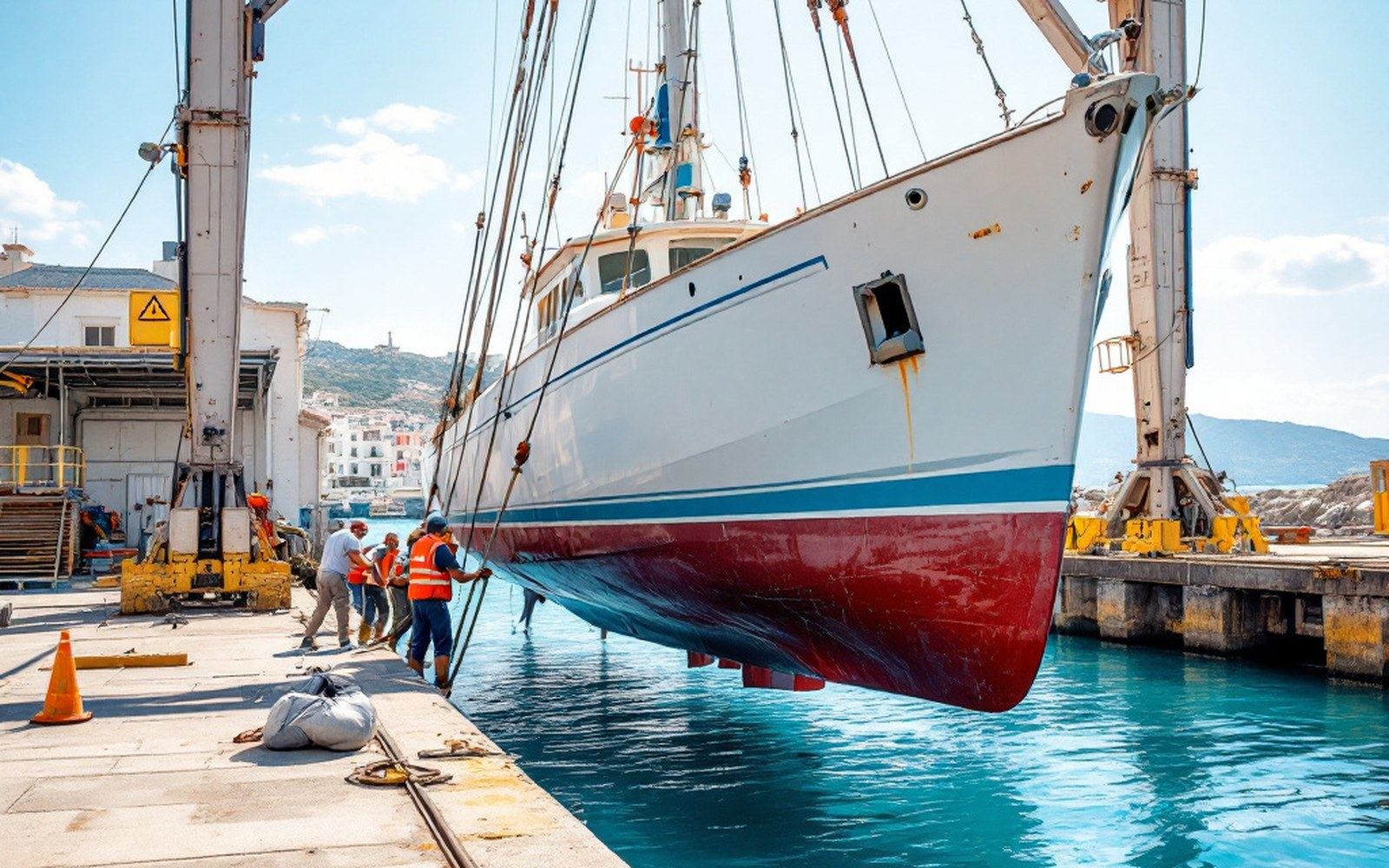
The gulet comes out of the water in October or November — the travel lift, the pressure wash, the blocks — and then it sits. Sitting is not free. The yard levies a storage charge by the metre of overall length, and a 24-metre hull in a Bodrum ↗ yard was running somewhere between 80 and 120 euros per metre per season in recent years, meaning the winter bill for hard standing alone could reach two to three thousand euros before anyone has touched the boat. Göcek ↗ yards have tracked similarly; the precise figure shifts with the operator and the berth.
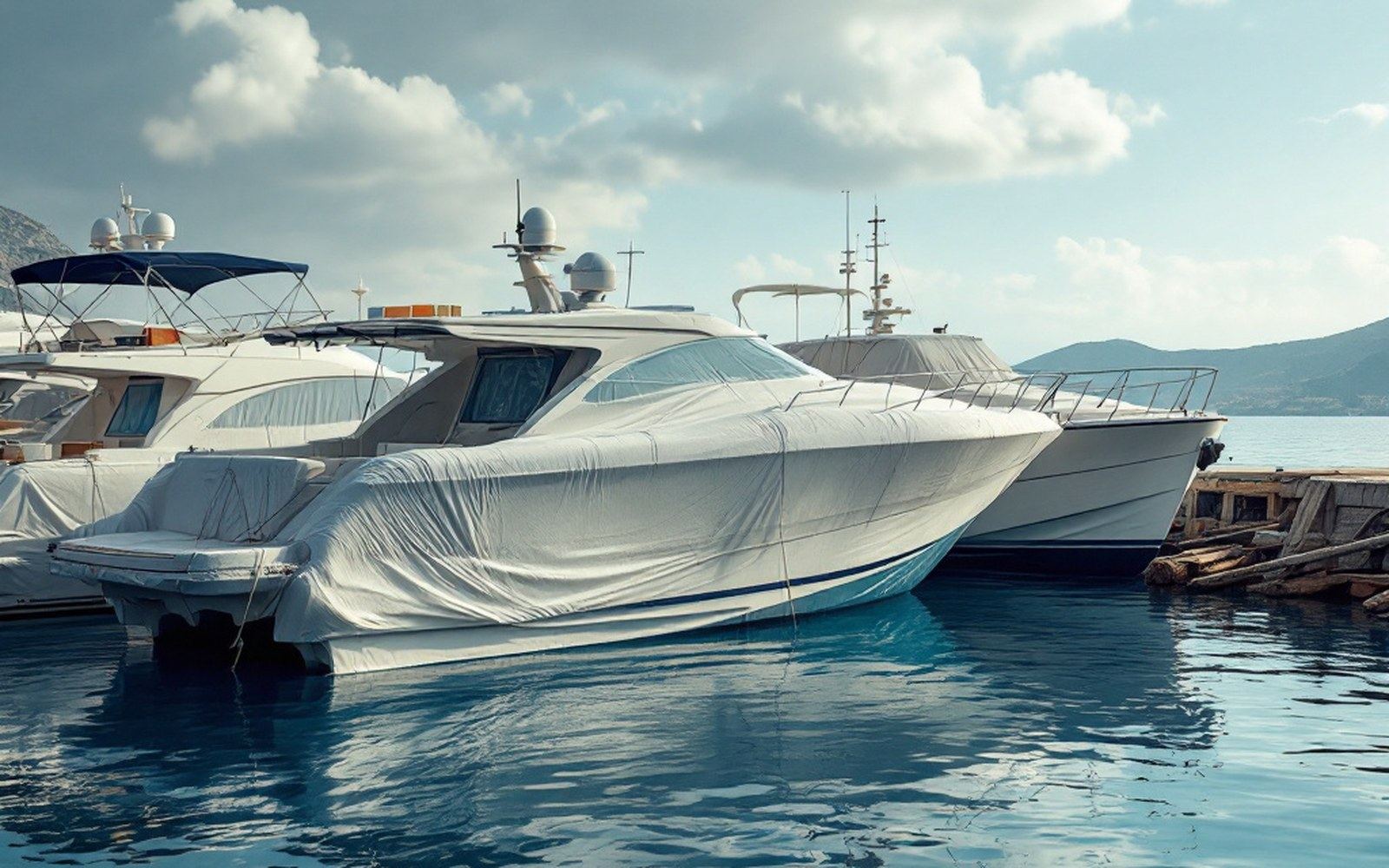
Cover comes next. A tarpaulin frame over a wooden hull is not optional; ultraviolet and winter rain together will open deck seams that took a yard crew three days to caulk. The cover is either rented from the yard or bought and rigged by the owner's crew, and either way it represents a few hundred euros more. A gulet left uncovered to cut costs will present a larger invoice in spring.
Insurance does not pause for the layup. Turkish hull and P&I cover for a working gulet — a vessel in the Blue Cruise trade — is priced against the vessel's declared value, its survey status, and its claims history. A reasonable working estimate for annual premium on a mid-sized wooden gulet has been one to two percent of insured value, though underwriters apply their own logic and the figure moves. What does not move is the requirement: a boat on the hard in a yard is still a fire risk, still has third-party exposure, and a lapsed policy during winter storage is a recognised and avoidable mistake.
The survey sits underneath all of it. Turkish maritime authorities require periodic surveys for commercially operated vessels, and underwriters tie their renewal terms to survey findings. Bureau Veritas and Lloyd's Register both maintain classification rules for wooden craft, though most Turkish gulets are surveyed under the national flag rather than class. A borderline finding — soft frames, questionable fastenings — does not just raise the premium; it can ground the vessel until the work is done, converting a maintenance cost into a revenue gap.
A tarpaulin frame over a wooden hull is not optional; ultraviolet and winter rain together will open deck seams that took a yard crew three days to caulk.
The arithmetic of a winter ashore is not complicated. It is just persistent: yard fees, cover, insurance, survey. A boat that earns nothing for six months still expects to be paid.