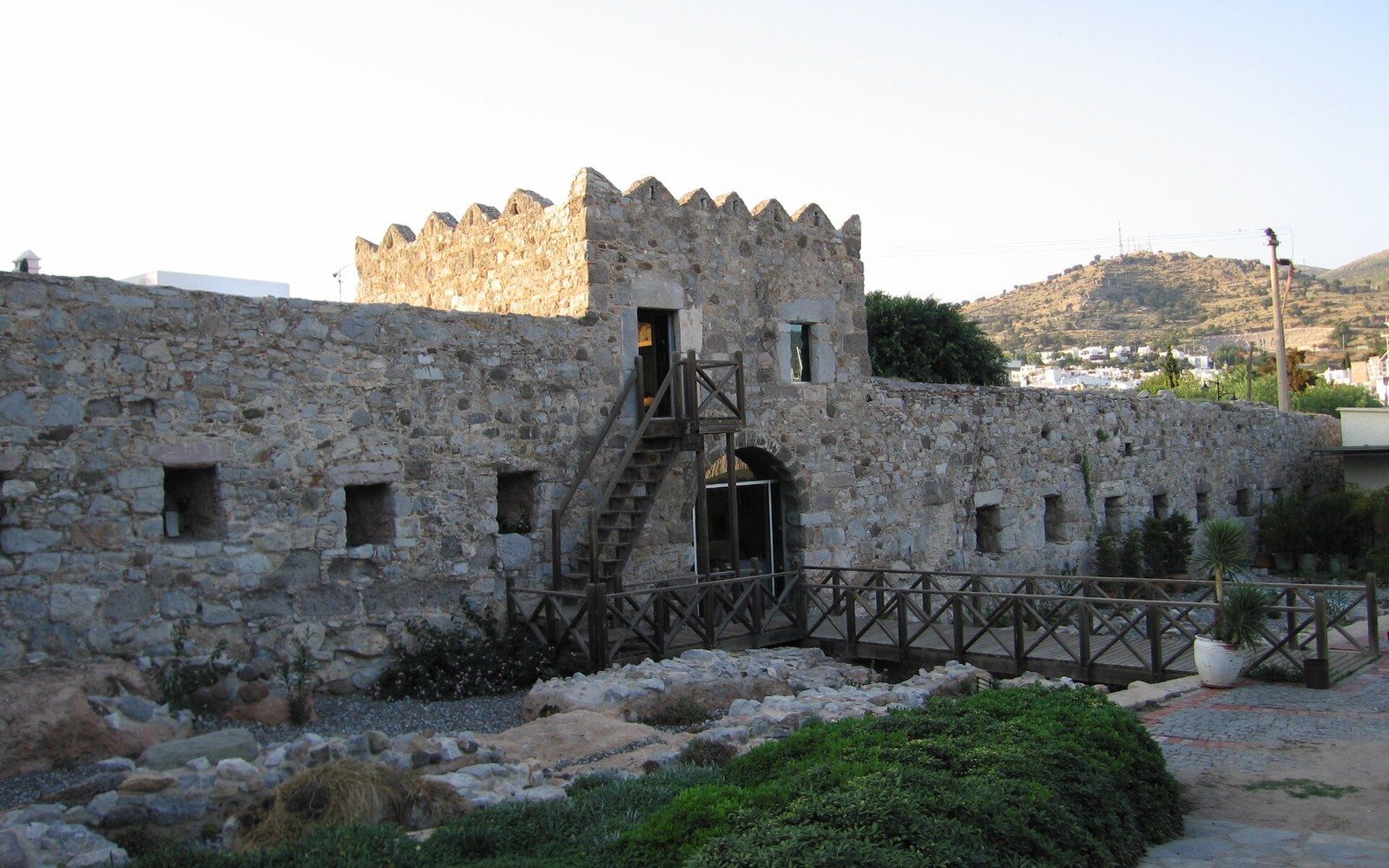
The yards that are left
The working waterfront at Bodrum has shrunk to a fraction of what it was; the boatyards that survive do so by being very good at a narrow set of things.
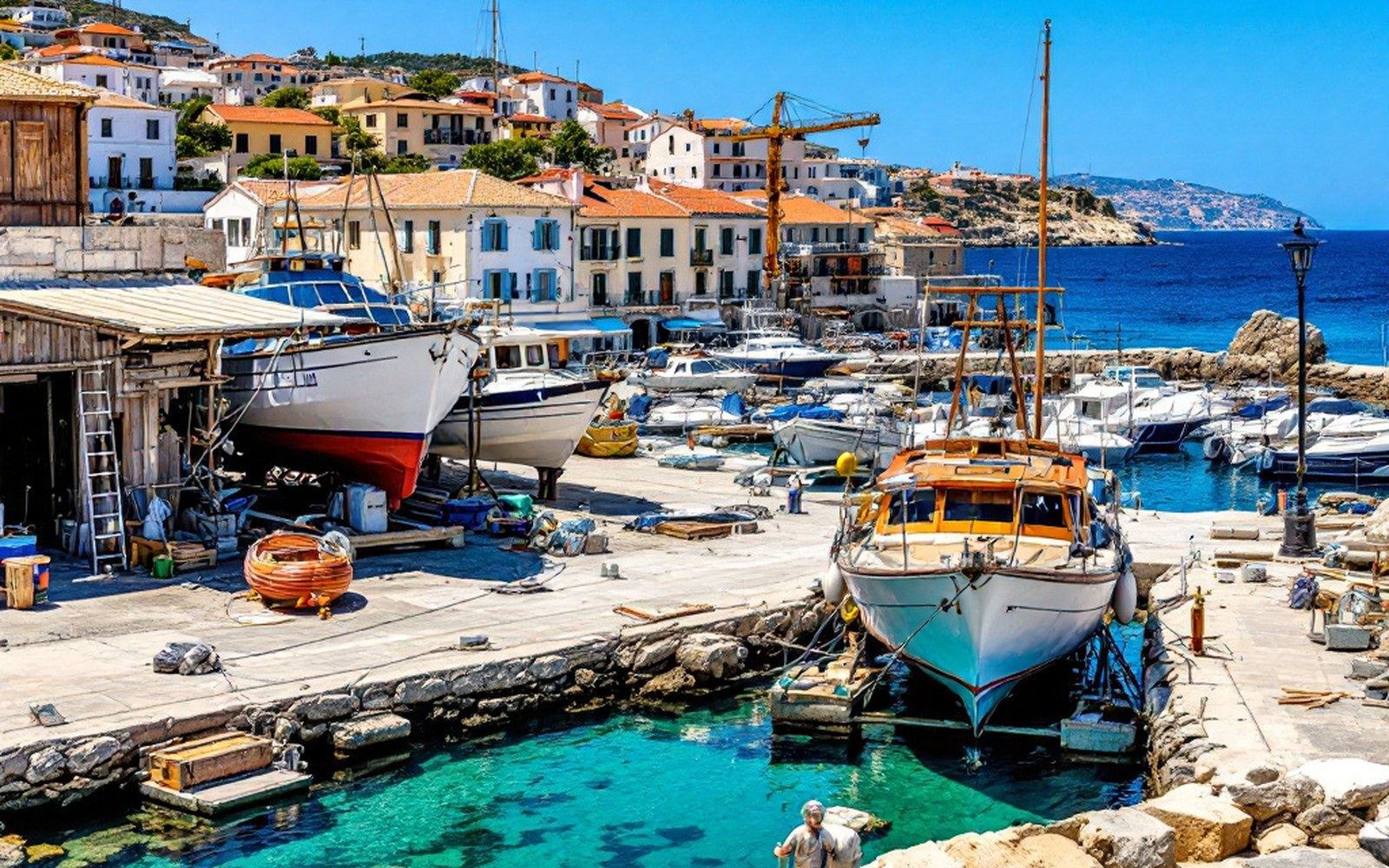
What contraction looks like on the ground
Bodrum was, for most of the twentieth century, a working port before it was a resort. The gulet — the broad-beamed wooden motorsailer that became the vessel of the Blue Cruise — was essentially invented here, refined through the 1970s and 1980s by builders who had nowhere else to be and timber they knew how to work. At the industry's peak, a string of yards ran along the waterfront and around into Bardakçı and Gümbet bays, each with its own ways, its own master carpenter, its own informal apprenticeship chain.
That geography has compressed. The land the yards occupied has become hotels, restaurants and car parks, and the administrative pressure on noise and dust in a tourist town is not friendly to caulking mallets. The yards that remain have mostly shifted to the outskirts — east of the castle headland, or inland from the marina — occupying whatever ground has not yet attracted a more profitable use. Some are little more than a hard-standing with a travel lift and a pressure-wash rig. Others retain the full capability: lofting floor, saw pit, steam box, the whole sequence that turns raw iroko into a finished hull.
What the survivors actually do
Ağanlar Boatyard is the name most often given when the question is which Bodrum yard still builds at scale. It has operated through the period of contraction and still takes on new construction, not only refit. That matters because the skills required to build a hull from scratch — reading timber, setting frames without drawn offsets, springing a plank to a curve that exists only in the builder's eye — are different from the skills required to maintain one, and the second set survives without the first only for a generation or so before something essential is lost.
What is built now is not what was built in 1980. The working gulet as a type has, over four decades, grown longer, heavier and more elaborately fitted out. Boats of 24 to 30 metres are now routine commissions; a custom build above that length is no longer unusual. The interior specification has moved toward hotel standards — air conditioning throughout, en-suite heads for every cabin, generator capacity to run it all — and the exterior has followed, with teak decks, hydraulic passerelles and serious ground tackle. The woodwork underneath all this remains traditional in method if not in material: iroko and larch still appear, alongside engineered timbers and epoxy in places where the original builders would have used nothing but a tight caulk seam. Routine maintenance such as antifouling, caulking and recoating makes up much of the yard's work in the refit season.
The charter market drives the specification, and the charter market is set partly by what holidaymakers expect from a week afloat. That means the yards have followed the money upmarket, building fewer hulls but more expensive ones, and carrying the maintenance load of a fleet of ageing boats that could not practically winter anywhere else. Lift-out costs in Bodrum's surviving yards ran in ranges that reflected size rather than yards: smaller gulets of 18 to 22 metres were paying figures in the low thousands of euros for a standard haul and block in recent seasons, larger boats proportionally more.
What is actually at risk
The craft knowledge is the thing that cannot be warehoused. Planking by eye, without a drawing, is not a technique that can be recovered from a manual; it lives in the hands of the men who learned it from the men who invented it, and the Bodrum tradition is documented ↗ precisely because enough people understood it might not survive. The Turkish Ministry of Culture has periodically acknowledged the gulet-building tradition as intangible cultural heritage, though the UNESCO framework for intangible heritage ↗ it draws on requires active transmission, not preservation-in-amber — which is another way of saying that a yard that stops taking apprentices stops existing, on a delay of about twenty years.
What remains in Bodrum is real, skilled and genuinely productive. It is also, by any honest measure, a fraction of what was there, and the trajectory has not reversed.