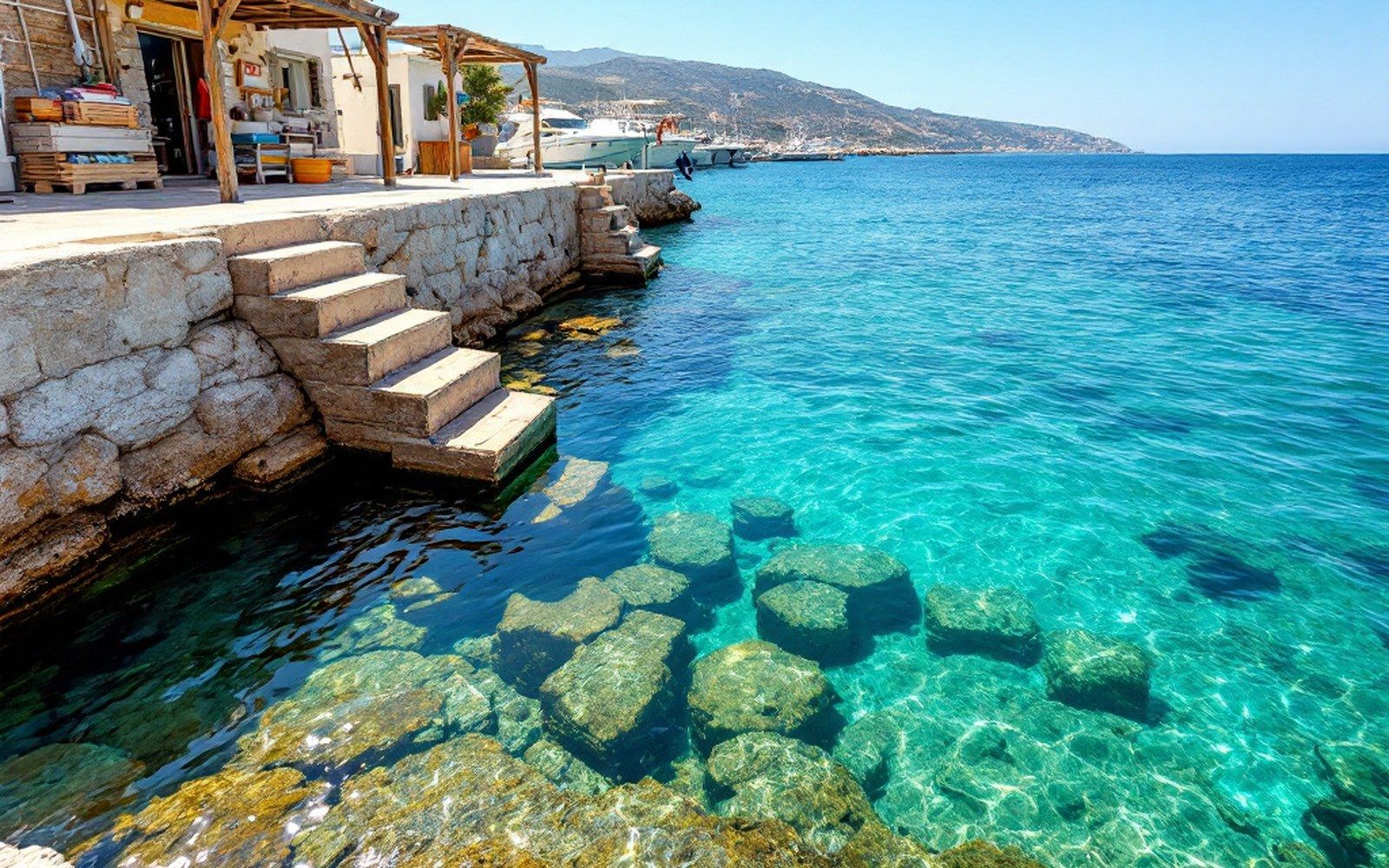
The crossing to the Dodecanese
Greek islands visible from Turkish shore, and a border between them that requires transit logs, port police and a half-day of form-filling.
The short passage with the long administration
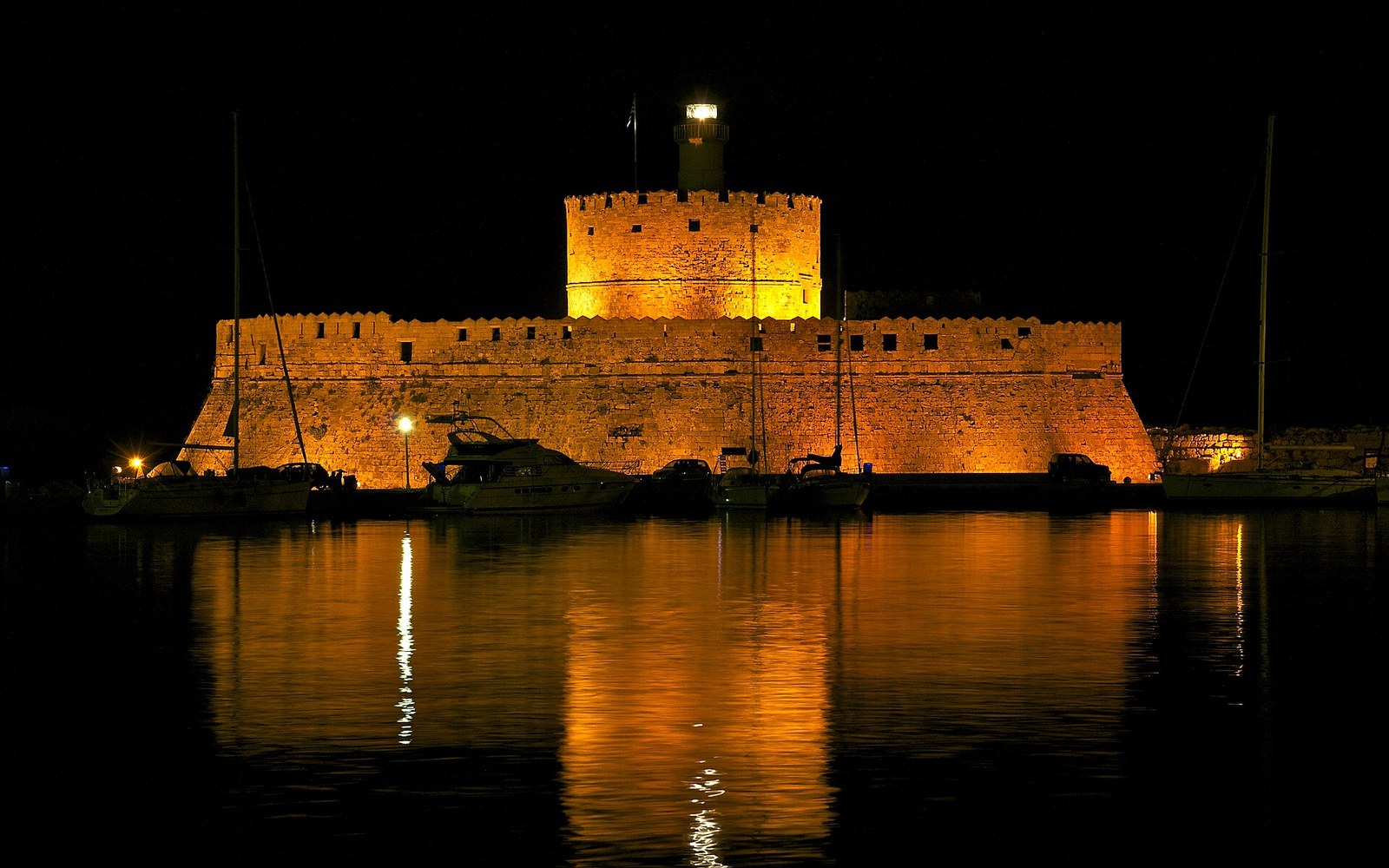
Kos is close enough to Bodrum ↗ that you can see its hills from the Bodrum peninsula on a clear morning — about ten nautical miles across the channel, though the precise distance depends on your departure point. Rhodes, further south, sits perhaps forty miles off the Datça coast. Neither crossing is navigationally demanding; the meltemi makes the timing worth thinking about, but the channel itself offers no particular hazard. What demands attention is the formality on either side.
Leaving Turkey, a vessel must clear out through a designated port of exit. Bodrum, Marmaris, Datça and Kaş each function as such a point. The captain presents the transit log — the dümen defteri — along with crew and passenger lists to the coastguard and harbour authority. Departure stamps go into the ship's papers. You leave within a specified window, usually the same day. Arriving in Greece, you fly the yellow Q flag and proceed to a designated port of entry: on Kos that means Kos town harbour; on Rhodes, the commercial and marina quays of Mandraki or the main port. The Hellenic Coast Guard and port police check papers, levy the transit dues, and issue a transit log under Greek authority. DEKPA — the Greek cruising permit — covers foreign-flagged vessels moving among Greek waters; its structure has been adjusted periodically, but the principle remains that a non-EU-flagged vessel needs documented permission to island-hop.
For a Turkish-flagged gulet, the equation carries an extra layer, since a Turkish vessel is moving between two countries that share a famously complicated bilateral relationship ↗. The crossing itself is routine in practice; the paperwork is the whole exercise. A crewed charter boat on a Turkish flag collecting guests in Greek waters without correct permission is an expensive misunderstanding — the Greek port authorities are consistent about checking.
EU-flagged yachts arriving from Turkey still clear customs at the entry port, because Turkey is outside the Schengen Area. Schengen clock starts on Greek arrival, which matters for non-EU passport holders spending time on both sides of the channel.
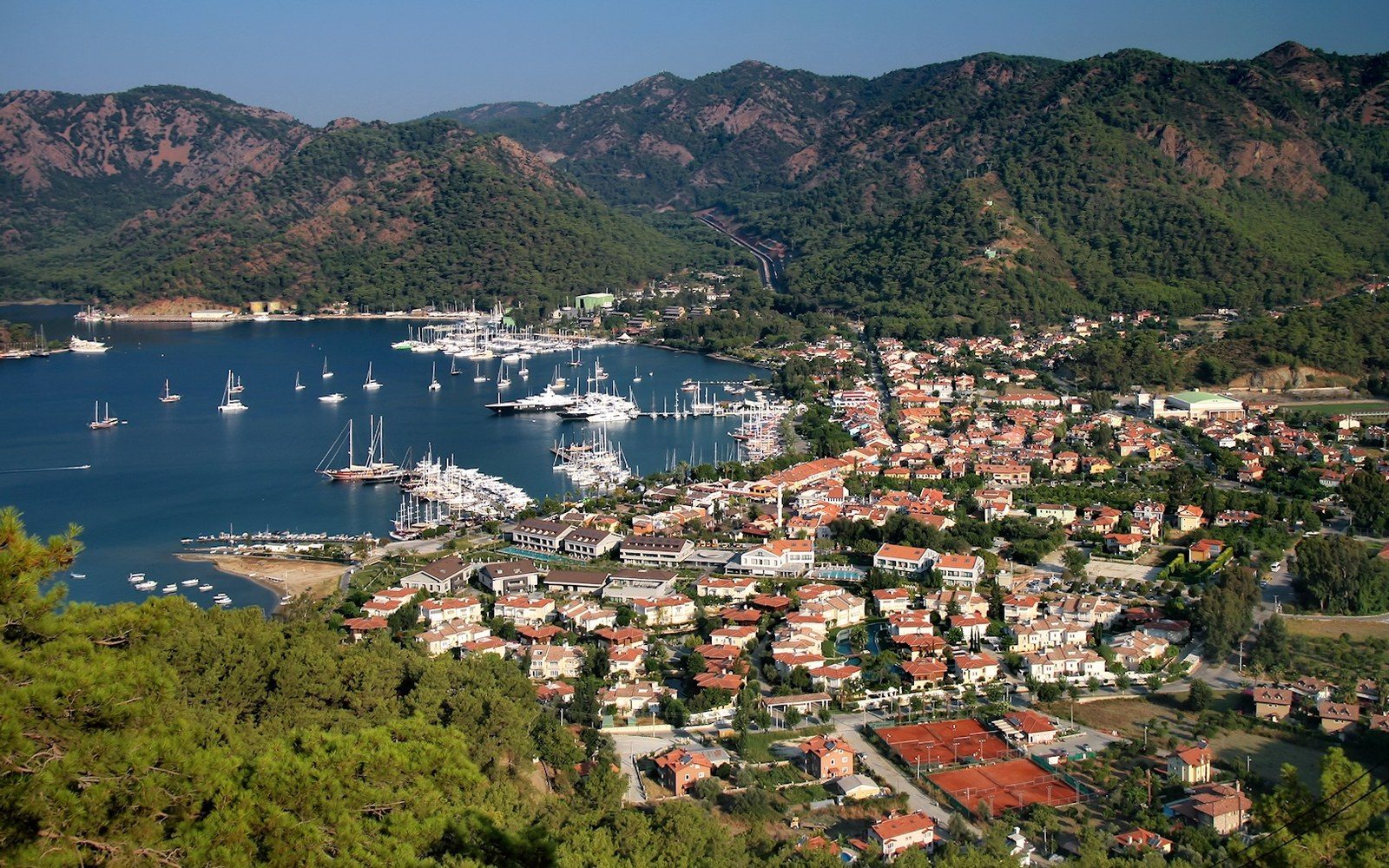
The actual sailing time from Bodrum harbour to Kos town is, in calm conditions, under two hours. Most of the morning goes to the port offices. Afternoon arrivals in Kos give enough time to walk the town before the tavernas fill. Rhodes requires an earlier start, or an overnight stop on the Turkish coast to shorten the following day's run.